 Hotels:
 Restaurants:
About
Augusta, Maine the Capital of the State
Located in central Maine, approximately 55 miles north of Portland, is Maine’s capital city, Augusta. Augusta was chartered as a city in 1849. Augusta is just over 58 square miles, and borders the towns of Manchester, Sidney, Vassalboro, Windsor and Chelsea. The capital city is also the easternmost state capital in the United States. As of 2000, there were roughly 18,560 people and 8,565 households in Augusta. Although the city is the third-least populous state capital in the United States (after Montpelier, Vermont and Pierre, South Dakota), there are lots of exciting things to explore in throughout Augusta.
In 1890, the very first trolley line began operation in Augusta, connecting the city with Gardiner and Hallowell. Not long after, buses replaced the trolley line, and the Maine Turnpike and Interstate 95 were completed in 1955. Today, visitors frequently take advantage of the Concord Trailways bus station located in Augusta that frequents trips to Portland, Bangor, Boston, New York and beyond.
Augusta includes five public schools, a private school, one college (the University of Maine at Augusta), and two public libraries. The University of Maine at Augusta (commonly called UMA) is the third largest university in the University of Maine System. Augusta also features the headquarters for the Maine National Guard, which is located next to the Augusta airport.
The Kennebec River runs through the heart of Augusta, letting residents and visitors in Kennebec Valley watch boats sail down the river from the city’s many bridges. The river was vital to Augusta’s many mills during the 19th century. Today, Waterfront Park, which includes the Augusta Greenway Trail, is great for walking and biking alongside the scenic river. The Kennebec River Rail Trail is a 6.5-mile trail that leads from Augusta to Gardiner.
Summer temperatures in central Maine generally remain in the low to mid 70’s with a few occasional warm days in July. Augusta’s winters are snow-filled, with an average low temperature of 10 degrees F in January, which is the city’s coldest month.
Aside from enjoying the many opportunities to explore the outdoors, Augusta also provides visitors many delicious restaurant options. The Senator Inn’s is a well-known spa in the city that also includes their incredible Cloud 9 restaurant. Other Augusta staples include the Red Barn, famous for their seafood and chicken baskets, as well as Cushnoc Brewing Co., which serves brick oven pizza and craft beer.
Since the late 2000s, there has been a renewed and ongoing focus by city officials, the Augusta Downtown Alliance, and private developers to revitalize the downtown area of Augusta. It’s an exciting time to visit the capital city, as more and more new businesses enter Augusta.
5 Fast Facts About Augusta, Maine:
- The biggest employers in Augusta include the Central Maine Power Company (CMP), Maine General Medical Center, and the O’Connor GMC Buick car dealership.
- Augusta is notable for the National Historic Landmark named Fort Western, a former British colonial outpost on the Kennebec River that today is the oldest wooden fort in the United States.
- Most people don’t realize that before Augusta took the title, Portland served for a short time as the capital of Maine.
- In 1832, the city’s elaborate capital building was complete. The statehouse cost $145,000 to build which was extremely expensive at the time.
- When it was initially settled, Augusta was called by its Indian name, Cushnoc, meaning "head of tide."
Finding Your Home Away from Home: Augusta's Accommodations
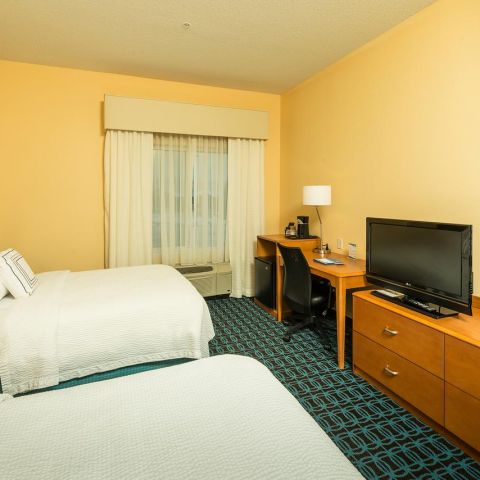
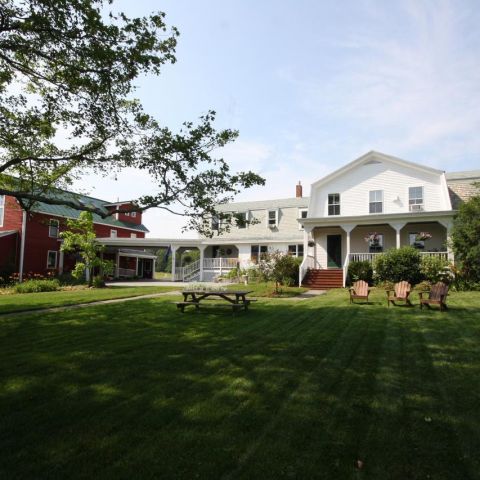
Augusta offers a range of accommodations to suit different preferences. Whether you're looking for upscale hotels like the Senator Inn & Spa or the personalized comfort of a bed and breakfast, such as the Maple Hill Farm Inn, you'll find options that cater to your needs.
Savoring Augusta's Culinary Scene
Augusta boasts a diverse culinary scene with restaurants catering to various tastes. Savor the flavors of Maine with fresh seafood at Red Barn Restaurant or explore international cuisines at eateries like Otto's on the River. Augusta's dining options offer something for every palate.
Family-Friendly Activities in Augusta
Augusta offers numerous family-friendly activities. Take a stroll along the Kennebec River Rail Trail, perfect for walking or biking. Families can also enjoy exploring the Maine State Museum and Children's Discovery Museum, where interactive exhibits and educational displays entertain and enlighten visitors of all ages.
Q&A:
What are some must-visit historical sites in Augusta?
Augusta is home to several historic sites, including the Maine State House, Old Fort Western, and Blaine House, all of which offer insights into the city's rich history.
What outdoor activities are available in Augusta?
Augusta boasts numerous outdoor activities, such as hiking in Vaughan Woods State Park, fishing on the Kennebec River, and exploring nearby lakes and trails.
Is Augusta a good place to raise a family?
Yes, Augusta is known for its family-friendly atmosphere, quality schools, and recreational opportunities, making it an excellent choice for families.